
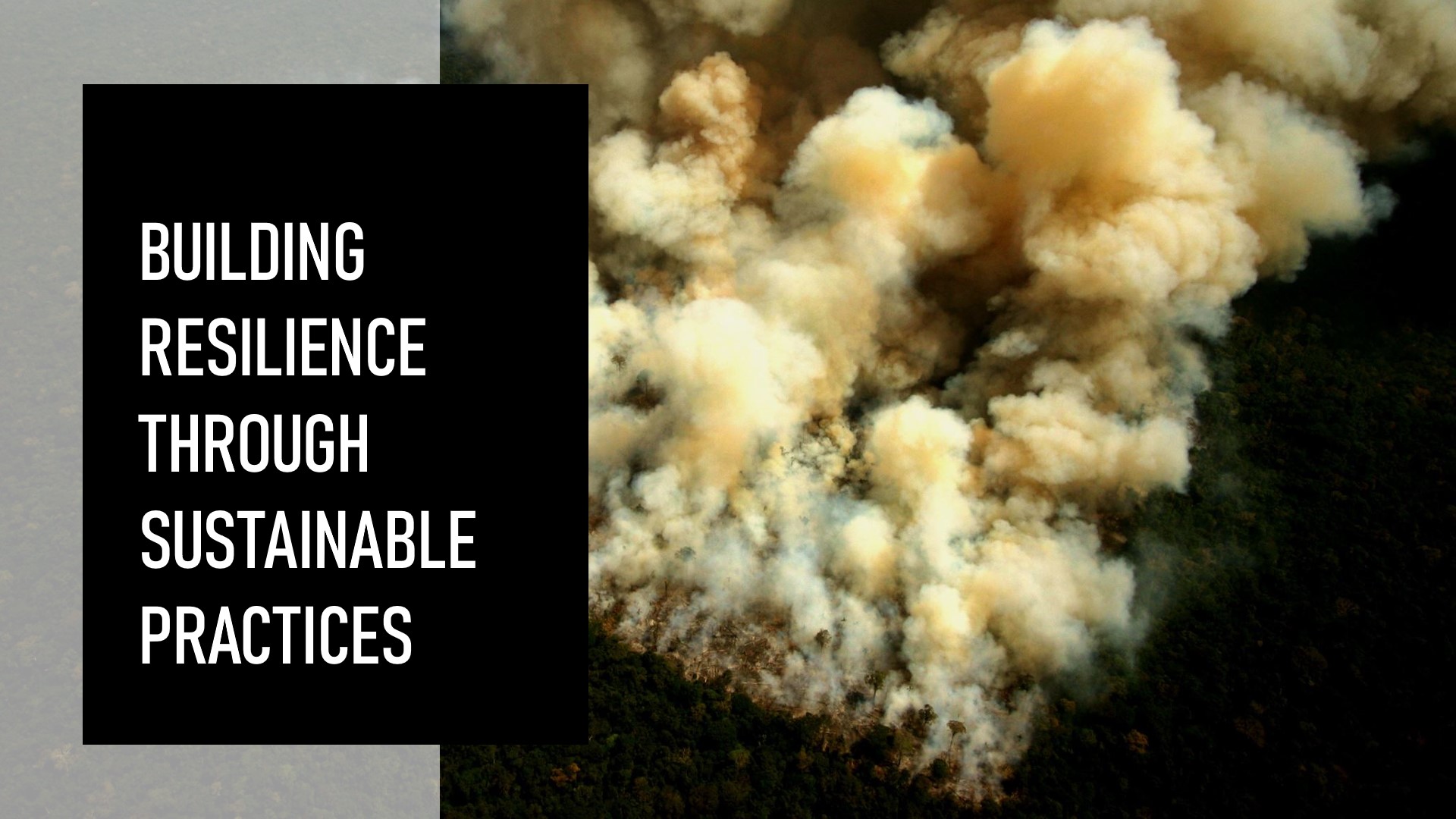
Building Resilience through Sustainable Practices to Mitigate Natural Disasters
Natural disasters—such as hurricanes, floods, earthquakes, wildfires, and droughts—are increasing in frequency and severity due to climate change and environmental degradation. However, by implementing sustainable practices, communities can enhance their resilience, reduce the impact of these disasters, and recover more effectively. Sustainable practices not only help to mitigate the immediate effects of disasters but also ensure long-term environmental, economic, and social stability.
1. Climate-Resilient Infrastructure
Building infrastructure that can withstand extreme weather events is crucial in disaster-prone areas. Sustainable infrastructure integrates durability with environmental mindfulness.
- Green Buildings: Construct buildings using eco-friendly materials and designs that are energy-efficient and capable of withstanding natural disasters.
- Flood-Resistant Design: Elevate buildings, use water-resistant materials, and incorporate natural flood barriers.
- Seismic-Resilient Structures: In earthquake-prone areas, use seismic engineering techniques and flexible materials that allow buildings to absorb shock.
Impact: Reduces damage during disasters and ensures quicker recovery by protecting people and property.
2. Ecosystem-Based Disaster Risk Reduction
Nature itself provides invaluable services in mitigating the impact of natural disasters. Ecosystem-based solutions work with natural systems to reduce risks and enhance resilience.
- Coastal Ecosystems: Mangroves, coral reefs, and salt marshes act as natural buffers against storm surges and tsunamis.
- Wetlands and Floodplains: These ecosystems store excess water during heavy rains, reducing flood risks.
- Forests and Green Spaces: Forests act as carbon sinks, prevent landslides, and improve water retention in soil, reducing the impact of droughts and floods.
Impact: Preserving and restoring ecosystems enhances natural defenses, lowering the human and economic costs of natural disasters.
3. Water Management and Conservation
Water scarcity and flooding are two sides of the same coin, both exacerbated by climate change. Implementing sustainable water management practices helps mitigate these issues.
- Rainwater Harvesting: Collecting rainwater reduces the dependency on unsustainable groundwater and supports agricultural needs during dry spells.
- Water-Efficient Irrigation: Techniques such as drip irrigation ensure that crops receive enough water while conserving precious resources.
- Floodplain Management: Managing floodplains through controlled development, reforestation, and wetland restoration reduces the frequency and impact of floods.
Impact: Sustainable water management ensures reliable water sources and reduces the risks of droughts and floods.
4. Renewable Energy Systems
Renewable energy solutions provide communities with sustainable power sources that are less vulnerable to disruptions caused by natural disasters.
- Solar and Wind Energy: Both solar panels and wind turbines can generate electricity, even in remote areas, without the need for extensive infrastructure.
- Energy Storage Systems: Battery storage systems can store excess energy during calm periods and provide backup power during emergencies.
- Microgrids: Small, localized power grids that are less dependent on larger, vulnerable energy networks.
Impact: Reduces energy insecurity in the aftermath of natural disasters, providing communities with continuous power and reducing reliance on fossil fuels.
5. Sustainable Agriculture Practices
Agriculture is both a major contributor to and victim of natural disasters. Adopting sustainable farming techniques helps build resilience in the food system.
- Agroforestry: Integrating trees with crops reduces soil erosion, provides shade, and improves water retention.
- Climate-Smart Agriculture: Techniques such as crop rotation, no-till farming, and organic practices improve soil health and reduce vulnerability to climate impacts.
- Drought-Resistant Crops: Developing and planting crops that can survive extreme weather conditions ensures food security during droughts.
Impact: Ensures food security and preserves livelihoods by protecting crops from environmental extremes.
6. Community-Based Disaster Preparedness
Building resilience also requires preparing local communities to respond effectively to disasters. Community-based approaches are essential for both prevention and recovery.
- Early Warning Systems: Installing technology that can predict natural disasters gives communities time to prepare and evacuate if needed.
- Education and Training: Community education on sustainable practices and disaster preparedness ensures that people know how to respond in times of crisis.
- Local Disaster Response Teams: Training local volunteers and organizations to respond quickly and effectively to disasters ensures rapid, coordinated efforts.
Impact: Reduces loss of life and property by fostering a culture of preparedness and self-sufficiency.
7. Urban Planning for Disaster Risk Reduction
Urban areas are often the most vulnerable to natural disasters due to population density and infrastructure development. Sustainable urban planning reduces the risk posed by disasters.
- Green Infrastructure: Green roofs, permeable pavements, and urban forests absorb rainwater and reduce the urban heat island effect.
- Zoning Laws and Regulations: Enforcing building codes and zoning laws that restrict construction in high-risk areas (such as floodplains and landslide zones) reduces disaster risk.
- Public Spaces for Refuge: Creating open spaces for safe shelter during extreme weather events ensures that people have a place to seek refuge.
Impact: Minimizes risk in urban centers by preventing disaster-related damages and fostering sustainable development.
8. Post-Disaster Ecosystem Restoration
After a disaster, restoring ecosystems is crucial for rebuilding resilience in affected areas.
- Reforestation: Planting trees after wildfires, floods, or deforestation stabilizes the soil and prevents further erosion.
- Coastal Restoration: Rebuilding coral reefs, mangroves, and other coastal ecosystems helps protect coastal communities from future storms.
- Soil Conservation: Restoring soil health through techniques like mulching and crop rotation improves agricultural resilience in disaster-prone areas.
Impact: Accelerates recovery by restoring ecosystem services and protecting the environment from future disasters.
Conclusion
Building resilience through sustainable practices is a crucial strategy for mitigating the impact of natural disasters. By focusing on climate-resilient infrastructure, ecosystem restoration, water management, renewable energy, sustainable agriculture, and community preparedness, societies can better withstand and recover from the increasing frequency and intensity of natural disasters. These practices not only save lives and reduce economic losses but also contribute to long-term sustainability, ensuring that future generations can thrive in a changing climate.
Incorporating these practices is not only a necessity for survival but an opportunity to build a more sustainable and equitable world.


