
Exploring the Impact of Rainwater Harvesting on Local Ecosystems
Rainwater harvesting, the practice of collecting and storing rainwater for later use, is gaining attention as a sustainable water management solution. Beyond its role in conserving water for human needs, rainwater harvesting has profound effects on local ecosystems, influencing biodiversity, soil health, and hydrological cycles. Understanding these impacts highlights the broader environmental significance of this practice.
1. Supporting Groundwater Recharge
Rainwater harvesting systems, such as recharge pits and percolation tanks, channel collected rainwater into the ground, replenishing aquifers.
- Improved Groundwater Levels: This is particularly vital in regions facing groundwater depletion.
- Stabilized Water Tables: A healthier water table supports wetlands, rivers, and streams, which are critical habitats for diverse species.
Ecosystem Impact: Ensures sustainable water availability for plants, animals, and human communities.
2. Mitigating Urban Flooding
By capturing and storing rainwater, harvesting systems reduce surface runoff during heavy rains.
- Controlled Runoff: Prevents soil erosion and the washing away of nutrients.
- Flood Prevention: Protects urban and rural areas from waterlogging and associated damage.
Ecosystem Impact: Reduces disruption to aquatic habitats and soil stability caused by floods.
3. Enhancing Soil Health
Rainwater harvesting minimizes erosion and promotes better water infiltration into the soil.
- Nutrient Retention: Captured rainwater reduces the leaching of nutrients from the soil.
- Improved Vegetation: Healthy soil supports robust plant growth, creating habitats for insects, birds, and other wildlife.
Ecosystem Impact: Boosts agricultural productivity and biodiversity in surrounding areas.
4. Protecting Aquatic Ecosystems
Uncontrolled runoff often carries pollutants into rivers and lakes. Rainwater harvesting can mitigate this by capturing water at the source.
- Reduced Pollution: Prevents chemicals, sediments, and waste from reaching aquatic ecosystems.
- Cleaner Water Bodies: Supports healthier fish populations and aquatic plants.
Ecosystem Impact: Maintains ecological balance and supports diverse aquatic life.
5. Restoring Natural Hydrological Cycles
Rainwater harvesting helps restore the balance of local water cycles, particularly in regions altered by urbanization or deforestation.
- Hydration of Ecosystems: Replenishes moisture in dry regions, benefiting flora and fauna.
- Microclimate Regulation: Water bodies created through harvesting can help moderate local temperatures.
Ecosystem Impact: Fosters resilience in ecosystems against climate variability.
6. Promoting Biodiversity
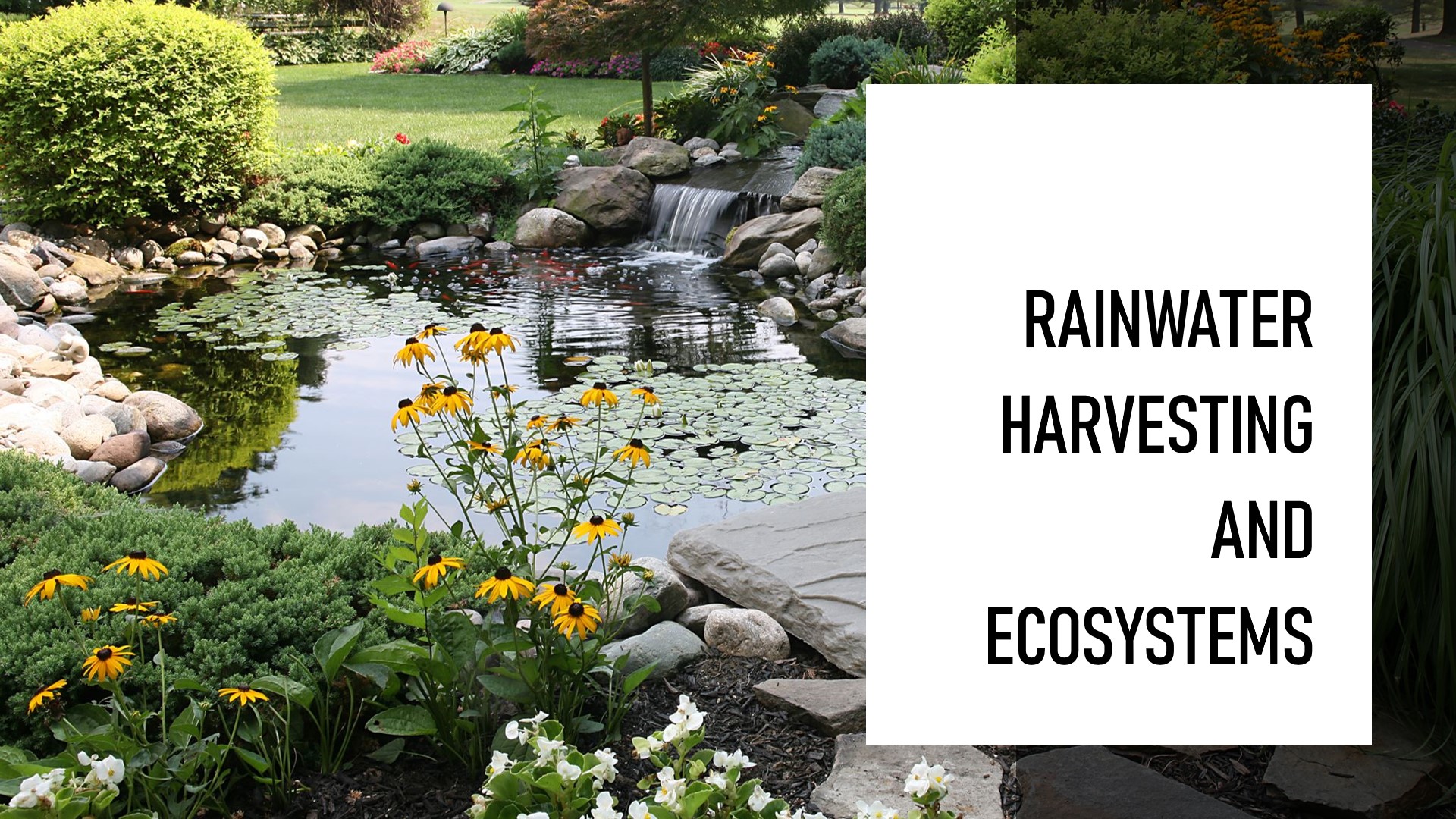
Rainwater harvesting structures, such as small ponds or reservoirs, create habitats for various species.
- New Habitats: Supports amphibians, birds, and small mammals.
- Enhanced Vegetative Cover: Water availability encourages diverse plant growth, which in turn attracts pollinators and other species.
Ecosystem Impact: Strengthens the local food chain and enhances ecosystem services.
7. Climate Change Mitigation
By alleviating water stress, rainwater harvesting reduces the pressure on natural ecosystems during droughts and extreme weather events.
- Resilient Landscapes: Ensures water availability even in prolonged dry periods.
- Carbon Sequestration: Healthy ecosystems supported by harvested rainwater can absorb more carbon dioxide.
Ecosystem Impact: Mitigates the effects of climate change on both human and natural systems.
Challenges and Considerations
While the benefits are numerous, improper implementation of rainwater harvesting systems can have unintended consequences:
- Stagnant Water Issues: Poorly managed storage can become breeding grounds for mosquitoes, affecting health and wildlife.
- Over-Extraction Risks: Overuse of harvested water without replenishment can stress ecosystems.
Solution: Implement well-designed systems with regular maintenance and ecosystem-friendly practices.
Conclusion
Rainwater harvesting is more than a tool for water conservation—it is a gateway to revitalizing local ecosystems. By replenishing groundwater, reducing pollution, and supporting biodiversity, this practice contributes to the health and resilience of natural habitats. However, its implementation must be mindful of ecological dynamics to maximize its positive impact.
Harnessing the potential of rainwater harvesting offers communities an opportunity to live in harmony with nature, securing water for both human use and the ecosystems that sustain life on Earth.

