
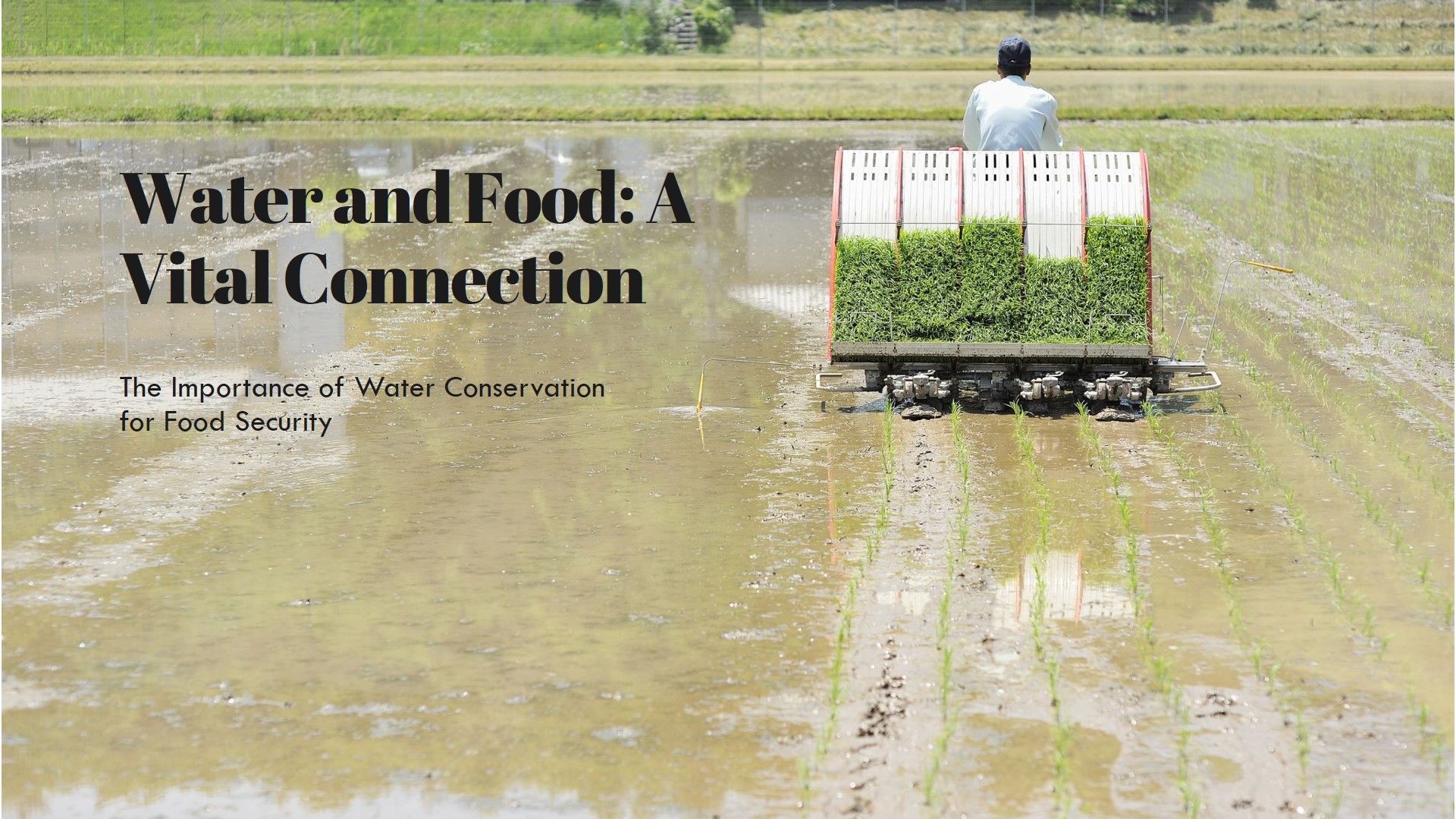
Understanding the Connection Between Water Conservation and Food Security
Water and food are intrinsically linked, forming the backbone of human survival and development. Agriculture, the cornerstone of food production, is heavily reliant on water, consuming approximately 70% of global freshwater supplies. As water resources face increasing pressure due to population growth, climate change, and unsustainable practices, understanding the relationship between water conservation and food security has never been more critical.
1. Agriculture’s Dependence on Water
Water is essential for growing crops and raising livestock, but the increasing demand for food strains existing water resources.
- Irrigation Needs: Modern agriculture relies on irrigation, which accounts for the majority of agricultural water use.
- Crop Yield: Water availability directly impacts the quantity and quality of food produced.
Impact on Food Security: Scarce water resources lead to reduced agricultural output, threatening global food supplies.
2. Water Scarcity and Its Effects on Food Production
Water scarcity is a major threat to food security, particularly in arid and semi-arid regions.
- Reduced Crop Diversity: Limited water forces farmers to focus on water-efficient crops, reducing dietary variety.
- Livestock Challenges: Insufficient water affects livestock health and productivity, reducing meat and dairy supplies.
Solution: Water conservation practices can alleviate stress on resources, ensuring stable food production.
3. Sustainable Irrigation Techniques
Efficient irrigation systems can significantly reduce water wastage in agriculture.
- Drip Irrigation: Delivers water directly to plant roots, minimizing evaporation and runoff.
- Sprinkler Systems: Simulate rainfall, distributing water evenly with less waste.
- Smart Irrigation: Uses sensors and real-time data to optimize water delivery.
Impact on Food Security: Maximizes crop yields while conserving water, ensuring consistent food availability.
4. Rainwater Harvesting in Agriculture
Rainwater harvesting provides an alternative water source for farming.
- Rain-fed Agriculture: Collecting and storing rainwater reduces dependence on groundwater and rivers.
- Small-Scale Solutions: Farmers in remote areas can use rainwater storage for irrigation during dry periods.
Impact on Food Security: Stabilizes water supply, reducing vulnerability to droughts and erratic rainfall.
5. Improving Soil Moisture Retention
Healthy soil is key to retaining water and supporting crops.
- Mulching: Covering soil with organic material reduces evaporation and keeps moisture available for plants.
- Conservation Tillage: Minimizes soil disturbance, preserving its structure and water-holding capacity.
- Composting: Enhances soil quality, improving its ability to absorb and retain water.
Impact on Food Security: Boosts agricultural productivity by maintaining optimal soil conditions.
6. Reducing Food Waste to Save Water
Food waste indirectly wastes the water used in production.
- Water-Footprint Awareness: Producing one kilogram of beef requires 15,000 liters of water, highlighting the hidden cost of wasted food.
- Waste Reduction Programs: Encouraging better storage, distribution, and consumption can prevent water wastage tied to food loss.
Impact on Food Security: Conserves water by optimizing food production and consumption.
7. Adapting to Climate Change
Climate change exacerbates water scarcity, affecting food systems worldwide.
- Drought-Resistant Crops: Developing crops that require less water can reduce dependency on scarce resources.
- Water Management Policies: Governments can implement strategies to balance water use among agriculture, industry, and households.
Impact on Food Security: Builds resilience in food systems to withstand climate-induced water challenges.
8. Promoting Community-Based Water Management
Empowering local communities to manage water resources sustainably is crucial.
- Collective Action: Farmers can collaborate to implement shared irrigation systems or protect watersheds.
- Education and Training: Teaching farmers water-efficient practices ensures long-term sustainability.
Impact on Food Security: Encourages equitable water use and supports small-scale farmers in maintaining food production.
Conclusion
Water conservation is vital for ensuring global food security. By adopting sustainable water management practices, improving irrigation efficiency, and promoting awareness about the water-food nexus, we can build a resilient agricultural system that meets the needs of a growing population. Addressing the connection between water conservation and food security is not just about protecting resources; it’s about safeguarding the future of humanity.
As the challenges of water scarcity and food insecurity grow, our commitment to sustainable solutions will determine the well-being of current and future generations.


